Aircraft Smoke Oil - Acrobatic smoke oil helps the ground audience watch their acrobatics and adds great flavor to aerial shows. It may seem like an exotic part of aviation life, but aerobatic fog oil can be bought off the shelf and even used in RC planes. But what is acrobatic smoke oil? What is his role? Let's take a closer look at this element, which plays various roles in air shows.
Acrobatic smoke oil is an artificial method used primarily in air shows and occasionally for other purposes. It is mainly used for the following reasons:
Aircraft Smoke Oil
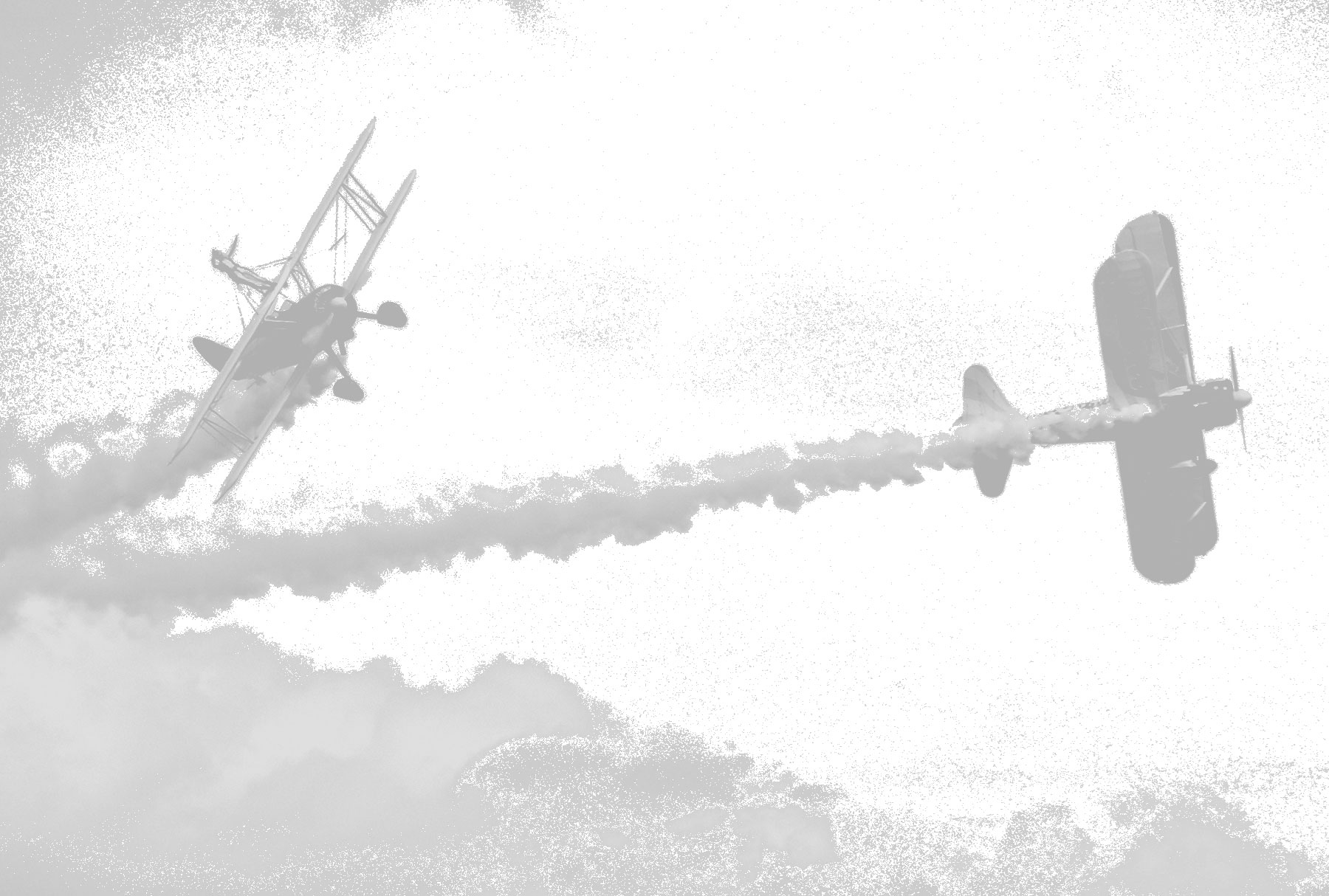
It is easy to see the difference between natural variations and artificial aerobatic smoke oil. Contrails are thin clouds that form in the wake of a hot jet engine, but contrails can form behind some piston engines.
Burning Oil Tanks At Dunkirk. The Drifting Smoke, Photographed From An R.a.f. Aircraft, Shows Where Oil Tanks Are Burning At Dunkirk. June 5, 1940. (photo By British Official Photograph Stock Photo
Contrails are created by water vapor emitted by jet engines and sometimes by pressure differences when an airplane wing cuts through the atmosphere. Meteorologically, they are classified as high clouds.
Depending on the number of engines in the aircraft and the vorticity at the wing tip, contrails can take a few minutes or longer to evaporate. Hedges that hang around for a while, spread out and eventually turn into fragile clouds of mystery. Like contrails in aerobatic flight, contrails depend on many meteorological factors such as temperature, wind, humidity and other potential obstacles.
This oil is a paraffin based mineral oil. It contains safe chemical additives depending on the color used by the pilot. Professional aerobatic pilots can be purchased in multi-gallon drums. Still, if you're flying a radio-controlled airplane or an amateur aerobatic pilot who uses it infrequently, they're few and far between.
Some people can even do it themselves. Consistency is key when teams use aerobatic fog oil in their formations. Pilots use the same type, although some have different colors for a specific formation effect.
A Fighter Squadron 114 (vf 114) F 14a Tomcat Aircraft Flies Over An Oil Well Still
These systems require careful consideration by pilots and aeronautical engineers. They add weight to a ship designed to maneuver and turn quickly; The system not only increases the weight of the aircraft, but also increases the heavy liquid smoke oil. Even military aircraft, such as the F18 Super Hornets used by the Blue Angels, require special equipment to enable the proper system.
The tanks of these systems must withstand high G maneuverability and safe hold forces, as the aircraft makes rapid, jerky turns, which are extremely slippery. In a jet, the exhaust oil system uses a fuel pump to pump fluid from the tank to a nozzle connected to the exhaust port.
When liquid oil comes into contact with hot exhaust fumes, the oil burns and emits noticeable smoke. Fuel dispensing is controlled by the pilot in the cockpit using a switch connected to the fuel pump in the aircraft's fuel system. Electric pumps are an integral part of the series. Blowers are located near the turbine outlet in turbine aircraft oil systems to create a burning mist.
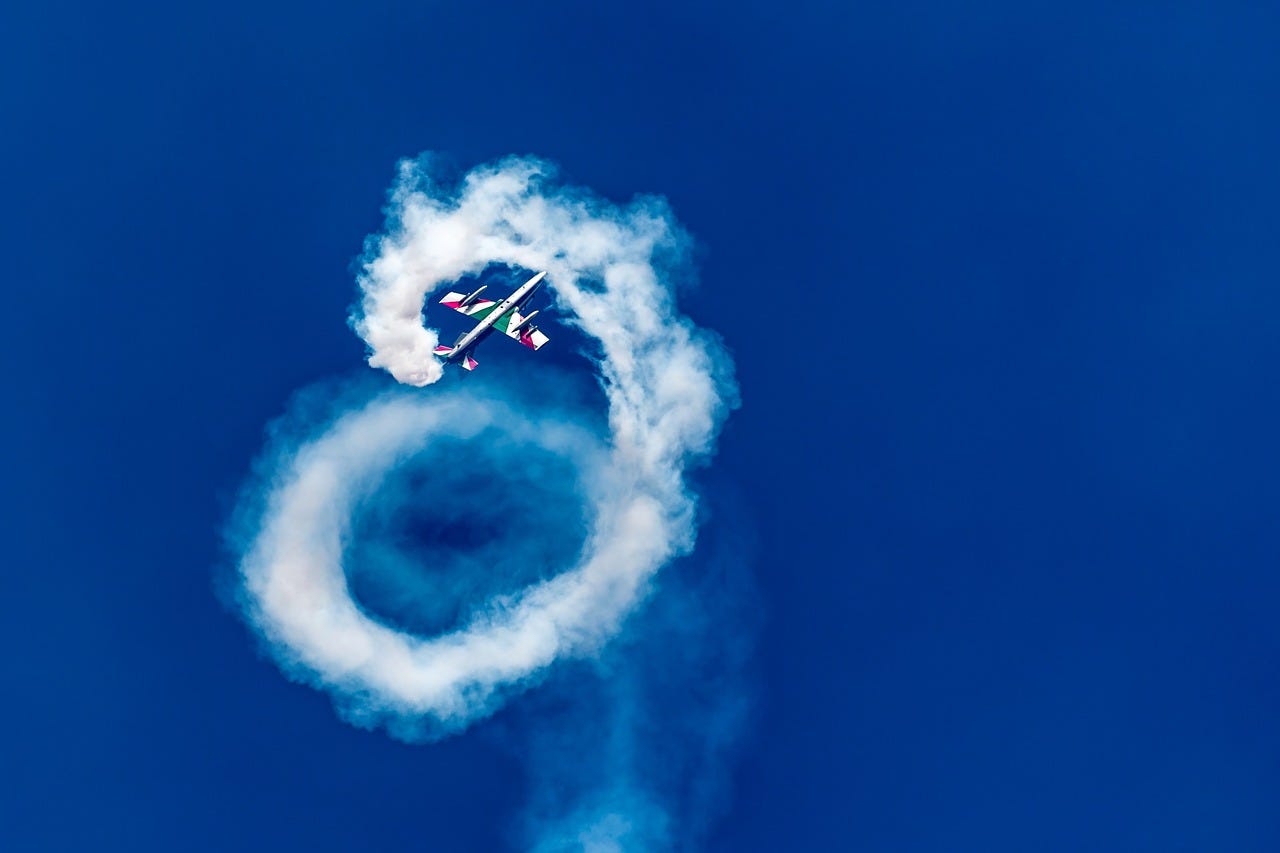
As with jet systems, the resulting burning oil produces sparkly artificial plugs. A modern air show wouldn't be possible without this addition, but it's a relatively new addition to the lineup. Fog oil was first used by the Black Cats, a Royal Navy helicopter display group, at an air show in Farnborough, England in 1957.
Order Red Airshow Smoke Oil
For a time, diesel oil was used in aircraft exhaust systems. However, as a result, it was found that aerobatic aircraft had a negative effect on their bright colors.
Modern Aerobatic Oil is biodegradable and non-toxic. Ideally, the oil has a low viscosity and flows quickly and in a smooth line. It reduces wear of the opaque oil system, keeps the intended color clean and eliminates corrosion.
Because it is partially oxidized, ground crews and pilots know it should be considered a potentially hazardous substance. The mist is designed to evaporate completely. Mineral oil used as a base usually contains no additives other than the preservative compounds used to create a specific color. Aircraft manufacturers recommend that pilots and crew members use only certified oils to maintain system integrity.
A team of professionals with a deep passion for the aviation industry brings you the latest and most influential industry news and content.
Plane Facts: Skywriting
Wide-body aircraft offer many advantages over their narrow-body counterparts, including increased passenger and cargo capacity and increased stability in flight, but they also have some drawbacks. Aerobatic displays are a highlight of every air show. Such tricks often rely on thick plumes of white or colored smoke to enhance the display. In addition to visual aesthetics, smoke oil also makes displays safer because smoke makes aircraft and flight trajectories easier to see. When flying in formation, pilots have better control over the flight position and the position of other aircraft.
The use of smoke in aerial visual effects dates back to skywriting in the 1920s. Smoke was not used as part of aerobatics until the Black Cats performed it at the Farnborough Air Show in 1957. Since then, smoke oil has become a staple of modern air shows, and most demonstrations use smoke.
For aerobatics you need a smoke oil system to smoke your airplane's crowd. Part of this system includes the tank that will hold the oil inside the aircraft. It is very important that this tank is strong and reliable. Not only is oil heavy, but aerobatic aircraft are also subject to high G maneuvers, meaning you don't want your smoke to spread oil all over your plane.
The system also requires a fuel pump to move oil from the oil tank to the headers connected to the exhaust point. And that's where the magic happens: when the oil meets super-heated airplane exhaust, the oil is instantly exposed, creating that infamous, highly visible plume of smoke. The pilot controls the smoke using an electric on/off switch in the cockpit.
What Is Aerobatic Smoke Oil And Why Is It Used?
This is how you create aerobatic smoke for a jet or piston engine aircraft. When it comes to turbine engines, the process is slightly different. This type of flue oil system injects flue oil through a nozzle a few inches from the turbine exhaust. Exhaust and Shear Force The exhaust and air show create a fine mist in quality smoke.
When it comes to choosing an oil for your air show or personal smoke oil system, safety is the number one factor. Think about it - during an aerobatic display using smoke, an airplane releases partially oxidized oil and blows it over a crowd.
All smoke oil used for air shows or similar purposes must be non-toxic, biodegradable, and of sufficient density to evaporate completely. It is also important that paraffinic (mineral) oil is pure base stock with no additives. Oil spills can be harmful to the health of both pilots and spectators.
Manufacturers of aircraft smoke systems recommend using only certified smoke oils for both safety and performance. Using uncertified oils or additives can be dangerous and can damage exhaust systems or even the aircraft. For example, diesel has previously been used as an aviation exhaust oil, but it is known to affect aircraft paintwork.
Aboard World War Ii Airplanes, It Was Strictly Smoking Allowed
Instead of hoping that you've chosen the right biodegradable mineral that has no additives and is non-toxic, you can invest in a high-quality oil specifically designed for use in aircraft exhaust oil systems. can deduce the equation.
At Aviation Oil Outlet, we offer the safest and highest quality aerobatic smoke oils available.
Our favorite? Blue Sky Lubricant's White Lightning Smoke Oil. This strictly water treated, low viscosity paraffin oil contains zero additives and is safe for the environment, humans and aircraft paint.

Aircraft tugs, aircraft management, aircraft insurance, aircraft schools, mavic air 2 aircraft sleeve, sleeve, aircraft oil, aircraft, aircraft mechanic, aircraft cable, aircraft maintenance, aircraft ownership

0 Comments