H 44 Battleship - Before World War II began, the Nazis had what could be described as a "big mistake" and included Germany, which planned to rebuild the capital Berlin after their victory in Europe. Among the highlights is the Volkshalle – a planned architectural building that would have been difficult, if not impossible, to build.
Such projects were not limited to construction, and the German army was developing heavy bombers, supertanks, and H-class battleships.
H 44 Battleship

This ship would be the basis of Adolf Hitler's Z Z to re-equip and expand the Kriegsmarine (Navy Navy). Design for the ship began in 1937 and it was estimated that each of the six planned ships would take about 50 months to complete, all due to be completed by 1944.
Warship Flat Icon Stock Vector Image & Art
Appointed by AG Weser in Bremen on August 15, 1939, two weeks before the German invasion of Poland. Construction was halted in October as the war effort focused on building submarines rather than battleships. In 1940, the materials used in the early construction of two battleships were removed and diverted to other uses.
This was to end the H class as it became clear that Germany was unable to build a warship during the war. Instead of hiding the ideas completely, the designs are refined - they are already submerged
, it was said to be another sign that the post-war years were coming to an end, the German painters were simply gone.
Designs that have taken the battleship to extremes are unmatched by other warships. When the H39 was planned, Germany planned to build it in 1939, it was a reasonable 62,500 tons - with each subsequent upgrade the ship increased in size and capacity. The H40A was 65,600 tons, while the H40B was an additional 70,000 tons, comparable to the Imperial Japanese Navy.
Us Tennessee Class Battleship
The H41 was produced at 76,000 tons, while the H42 was a whopping 98,000 tons - and that increased when the H43 and H44 eventually reached 141,500 tons. These were larger in tonnage and longer than the Nimitz aircraft of the US Navy. Unlike America's nuclear-powered carriers, the German battleship was to be powered by ten diesel engines - and whether she could reach the target of 30 knots is in doubt.
Interestingly, the Germans focused on size and the planned H class of eight 40.6 cm guns would be smaller.
Along with the Japanese A-150 and the American Montana class, the German H class was something that looked good on paper. In the end, it really turned out to be little more than a blunder by a playful child or a deranged lunatic. The H-Class is obviously not a true ship.
Peter Suciu is a writer from Michigan who has contributed to more than a dozen newspapers, magazines and websites. He writes regularly on military firearms and is the author of several books on military clothing including
Battleship U.s.s. Colorado Layout Blueprint
Career Life Career: 1945 Editor-in-Chief Peter Suciu is a Michigan-based author who has contributed more than 3,000 books to newspapers, magazines and more than a dozen websites in his twenty-year career in journalism. He writes regularly on military technology, firearms history, cyber security and international affairs. Peter is also a contributor to Forbes. You can follow him on Twitter: @PeterSuciu. The H44 would be a 144,000 ton battleship. Fortunately, it wasn't meant to be: Before World War II began, the Nazis had what could be described as a "big mistake," and included Germany, which was slated to build its capital in Berlin after victory. in Europe. Among the highlights is the Volkshalle – a planned architectural building that would have been difficult, if not impossible, to build.
Such projects were not limited to construction, and the German army was developing heavy bombers, supertanks, and H-class superbattleships beyond both.
This ship would be the basis of Adolf Hitler's Z Z to re-equip and expand the Kriegsmarine (Navy Navy). Design for the ship began in 1937 and it was estimated that each of the six planned ships would take about 50 months to complete, all due to be completed by 1944.
Appointed by AG Weser in Bremen on August 15, 1939, two weeks before the German invasion of Poland. Construction was halted in October as the war effort focused on building submarines rather than battleships. In 1940, the materials used in the early construction of two battleships were removed and diverted to other uses.
H Gram 011
This was to end the H class as it became clear that Germany was unable to build a warship during the war. Instead of hiding the ideas completely, the designs are refined - they are already submerged
, it was said to be another sign that the post-war years were coming to an end, the German painters were simply gone.
The designs pushed the battleships to extremes unmatched by other warships. When the H39 was planned, Germany planned to build it in 1939, it was a reasonable 62,500 tons - with each subsequent upgrade the ship increased in size and capacity. The H40A was 65,600 tons, while the H40B was an additional 70,000 tons, comparable to the Imperial Japanese Navy.
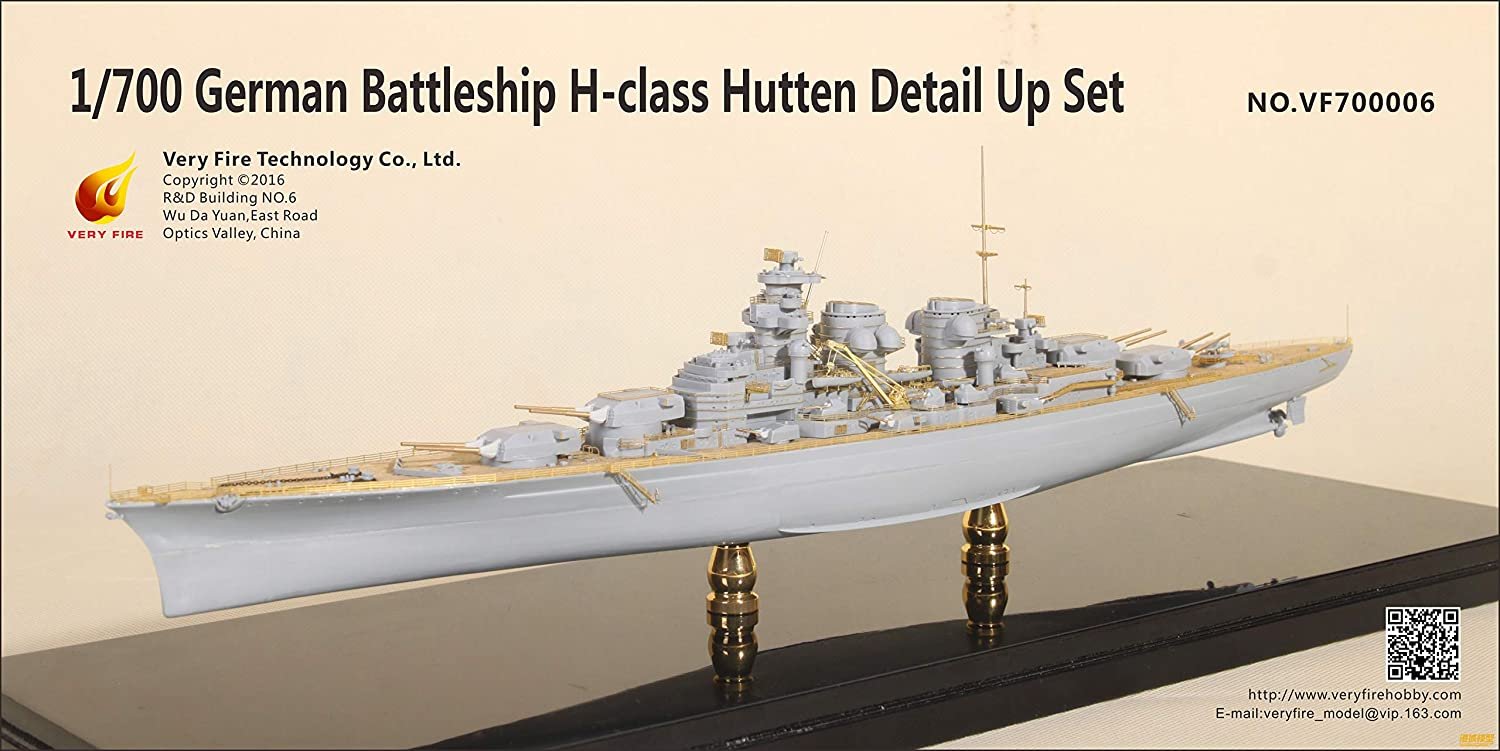
The H41 was produced at 76,000 tons, while the H42 was a whopping 98,000 tons - and that increased when the H43 and H44 eventually reached 141,500 tons. These were larger in tonnage and longer than the Nimitz aircraft of the US Navy. Unlike America's nuclear-powered carriers, the German battleship was to be powered by ten diesel engines - and whether she could reach the target of 30 knots is in doubt.
H 39 Class Battleship
Interestingly, the Germans focused on size and the planned H-eight 40.6 cm gun would be smaller.
Along with the Japanese A-150 and the American Montana class, the German H class was something that looked good on paper. In the end, it really turned out to be little more than a blunder by a playful child or a deranged lunatic. The H-Class is obviously not a true ship.
Peter Suciu is a writer from Michigan who has contributed to more than four newspapers, magazines and websites. He writes regularly on military firearms and is the author of several books on military clothing including
Career Life Career: 1945 Editor-in-Chief Peter Suciu is a Michigan-based author who has contributed more than 3,000 books to newspapers, magazines and more than a dozen websites in his twenty-year career in journalism. He writes regularly on military technology, firearms history, cyber security and international affairs. Peter is also a contributor to Forbes. You can follow him on Twitter: @PeterSuciu.
German Battleship Wwi Hi Res Stock Photography And Images
H class battleship proposals, german h class battleship, 44 h full coverage bra, 44 h bra size, battleship, 44 h strapless bra, h battleship, h class battleship, 44 h breast, 44 h cup, size 44 h bras, 44 h bras

0 Comments